How to Volunteer in Healthcare Without Medical Experience
Volunteering in healthcare is a meaningful way to support patients, assist medical professionals, and make a positive difference in your community. Many people assume that working in a hospital or healthcare facility requires a medical degree, nursing qualification, or years of professional training. However, there are several ways to volunteer in healthcare without medical experience. Hospitals, clinics, nursing homes, community health organizations, and nonprofit groups often need volunteers to help with administrative tasks, patient support, health education, and other essential activities.
Whether you are a student exploring a future healthcare career, someone looking to gain experience, or a person who simply wants to help others, healthcare volunteering can be a rewarding opportunity. Understanding where to begin, what roles are available, and how to apply can help you find a position that matches your interests and abilities.
## 1. Understand the Different Healthcare Volunteer Opportunities
The first step is to identify healthcare volunteer opportunities that do not require professional medical qualifications. Many healthcare organizations depend on volunteers to support their daily operations and improve the experiences of patients and their families.
For example, hospital volunteers may welcome visitors, help patients find departments, organize paperwork, or provide general assistance to staff. Some organizations also need volunteers to support fundraising campaigns, community outreach programs, and public health awareness initiatives.
Common healthcare volunteer roles include:
– **Hospital reception volunteer:** Help visitors navigate hospital facilities and direct them to the appropriate departments.
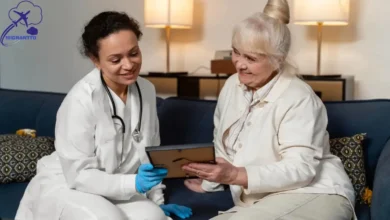
– **Patient support volunteer:** Offer companionship, conversation, and emotional support to patients when permitted by the facility.
– **Administrative volunteer:** Assist with filing, organizing records, scheduling, and other nonclinical tasks.
– **Community health volunteer:** Support campaigns that promote hygiene, nutrition, disease prevention, and general health awareness.
– **Nursing home volunteer:** Spend time with older adults through conversation, recreational activities, and social engagement.
– **Healthcare charity volunteer:** Help nonprofit organizations with fundraising, donation collection, event planning, and community programs.
These roles allow you to contribute to healthcare services without performing medical procedures or providing professional medical advice.
## 2. Search for Hospitals and Healthcare Organizations That Accept Volunteers
Once you understand the available roles, look for organizations that welcome people without medical experience. Hospitals are an obvious starting point, but they are not the only places where you can volunteer.
Community clinics, public health organizations, rehabilitation centers, nursing homes, hospices, and health-focused charities may also offer suitable opportunities. Some organizations have formal volunteer programs, while others recruit people for specific campaigns or community projects.
Visit the official websites of healthcare organizations in your area and look for sections titled “Volunteer,” “Get Involved,” “Careers,” or “Community Outreach.” You can also contact their administration or volunteer coordination department to ask about available positions.
When searching online, use specific phrases such as “healthcare volunteer opportunities near me,” “hospital volunteer programs for beginners,” or “community health volunteer opportunities.”
If you live in Nigeria, consider researching reputable nongovernmental organizations, local health initiatives, teaching hospitals, and community-based health programs. Confirm their current recruitment procedures and eligibility requirements before applying.
It is important to choose a legitimate organization that provides clear instructions, appropriate supervision, and a safe working environment.
## 3. Choose a Volunteer Role That Matches Your Skills
You do not need medical knowledge to be useful in a healthcare setting. Many volunteer responsibilities depend on communication, organization, patience, reliability, and a willingness to learn.
For example, if you enjoy talking to people, patient companionship or visitor assistance may be suitable. If you are organized and comfortable using a computer, administrative support could be a better choice. People who enjoy working with communities may prefer public health campaigns or nonprofit outreach programs.
Think about your existing abilities and how they could benefit a healthcare organization. Skills gained through school, previous employment, community activities, or personal experiences can all be valuable.
Before accepting a position, ask about the responsibilities, expected hours, training, supervision, and any physical or emotional demands involved. Choosing a suitable role will help you feel more confident and make your volunteering experience more enjoyable.
## 4. Prepare a Simple Volunteer Resume
A resume can improve your chances of securing a healthcare volunteer position, even if you have never worked in a hospital. Instead of focusing only on employment history, highlight transferable skills and experiences that demonstrate your suitability for the role.
Include your educational background, relevant skills, community involvement, previous volunteer activities, and any courses or certificates you have completed. Communication, teamwork, time management, attention to detail, and problem-solving are useful skills to mention when they accurately describe you.
If you have no previous volunteering experience, do not worry. Explain why you want to contribute to healthcare and demonstrate your willingness to learn.
You can also prepare a short cover letter explaining your interest in the organization, the type of volunteer work you hope to perform, and the time you can commit.
Keep your application professional, honest, and easy to read. Avoid claiming qualifications or experience you do not have.
## 5. Complete the Required Training and Screening
Healthcare organizations often require volunteers to complete certain checks before beginning their duties. These requirements help protect patients, staff members, and volunteers.
Depending on the organization and your role, you may need to attend an orientation session, complete a background check, provide references, submit identification, or undergo health screening. Some organizations also require confidentiality training, infection prevention instruction, and safeguarding education.
Take these requirements seriously. Even nonclinical volunteers may work in environments where patients are vulnerable or sensitive personal information is handled.
You should also learn the organization’s policies on hygiene, appropriate communication, patient privacy, and reporting concerns. If you are unsure about a task, ask your supervisor rather than attempting something beyond your training.
Remember that volunteering without medical experience does not mean working without guidance. Proper training helps you contribute safely and confidently.
## 6. Learn the Importance of Patient Privacy and Professional Boundaries
Respecting patient privacy is one of the most important responsibilities in healthcare volunteering. You may encounter personal information about patients, their families, or their medical circumstances. Such information must remain confidential and should never be shared with friends, relatives, or on social media.
Always follow the organization’s privacy policies and instructions from authorized staff. Do not photograph patients, discuss their conditions publicly, or access records unless your assigned role explicitly permits it.
Professional boundaries are equally important. Volunteers can offer kindness, companionship, and general assistance, but they should not diagnose illnesses, recommend treatments, administer medication, or perform clinical procedures without the appropriate authorization and qualifications.
If a patient asks a medical question, direct them to a qualified healthcare professional. If someone appears unwell or needs urgent help, notify the responsible staff immediately.
Understanding these boundaries allows you to support patients while respecting the responsibilities of trained medical professionals.
## 7. Gain Experience Through Community Health Programs
If you cannot find a hospital volunteer position immediately, community health programs offer another practical starting point. Many organizations conduct awareness campaigns, health education events, vaccination outreach, sanitation initiatives, and disease prevention activities.
These programs may need volunteers to register participants, distribute approved educational materials, coordinate events, communicate with community members, and assist with logistics.
Participating in community health activities can help you understand the challenges people face when accessing healthcare. It may also improve your communication skills and introduce you to professionals working in public health, nursing, medicine, and nonprofit management.
However, make sure that any health information you distribute comes from an authorized source. Volunteers should not independently provide medical instructions or make promises about treatments and outcomes.
Community-based volunteering is particularly useful for people who want to contribute locally while exploring possible careers in healthcare.
## 8. Make the Most of Your Healthcare Volunteering Experience
After securing a volunteer position, approach the opportunity with commitment and an open mind. Arrive on time, follow instructions, communicate respectfully, and complete your assigned responsibilities.
Be willing to learn from healthcare workers and experienced volunteers. Ask appropriate questions, request feedback, and identify areas where you can improve. Even routine responsibilities can teach valuable lessons about teamwork, patient communication, organization, and the importance of healthcare services.
Keep a record of your volunteer hours, responsibilities, training, and accomplishments. These details can help you update your resume or prepare future applications for education, employment, or other volunteer programs.
If your goal is to pursue a healthcare career, volunteering may also help you understand whether a particular environment suits your interests. However, volunteering does not replace the formal education, licensing, or supervised clinical training required for professional medical roles.
Most importantly, remember that meaningful contributions are not always dramatic. Helping a visitor find the right department or providing friendly conversation to someone who feels isolated can make a genuine difference.
## Conclusion
Learning how to volunteer in healthcare without medical experience begins with understanding the available opportunities and identifying organizations that welcome beginners. From hospital administration and patient companionship to community health campaigns and healthcare charities, there are many ways to contribute without holding a medical qualification.
Start by researching reputable organizations, preparing a simple resume, and applying for a role that matches your skills and interests. Complete the required training, respect patient confidentiality, and follow the instructions of qualified professionals throughout your experience.
Healthcare volunteering can help you develop practical skills, understand community needs, and support people during challenging moments. You do not need to be a doctor or nurse to make a positive contribution. With compassion, reliability, and a willingness to learn, you can take the first step toward helping others and becoming part of a community that values better healthcare for everyone.